Recycling and Sustainability for Gardeners Barnes Cray
 Gardeners Barnes Cray is committed to greener working methods that support both local landscapes and wider environmental goals. In a busy part of South East London, our approach to recycling and sustainability is built around practical action: separating materials carefully, reducing avoidable waste, and choosing systems that keep reusable resources in circulation for longer. For many projects, that means treating garden clearance, pruning waste, and soil-related materials with the same attention as the planting and maintenance work itself.
Our recycling and sustainability policy is guided by a clear recycling percentage target designed to keep as much collected material as possible away from landfill. We aim to recycle or recover a high proportion of green waste, timber, metal, plastics, cardboard, and other suitable materials, while prioritising reuse wherever that is safe and practical. By measuring performance across jobs, Gardeners in Barnes Cray can steadily improve the way waste streams are separated and processed.
In local practice, this means working with the boroughs’ approach to waste separation, where household and commercial materials are sorted into defined streams to make recovery more efficient. Gardeners Barnes Cray mirrors that logic on site by keeping organic waste distinct from mixed debris, which helps improve the quality of recyclable outputs. 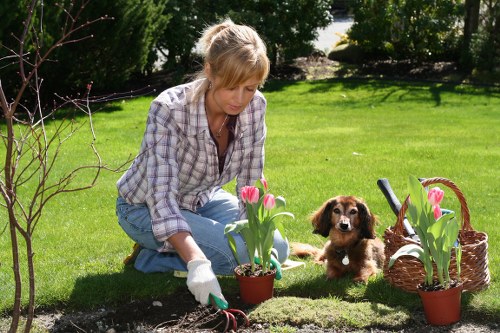 This careful sorting also supports cleaner composting routes and better transfer outcomes for materials that can be processed further.
We also make use of approved local transfer stations to move materials through the most suitable recycling channel. These facilities play an important role in handling bulky green waste, shredded branches, topsoil, and mixed non-hazardous items that require sorting before final processing. By using nearby transfer points, Gardeners Barnes Cray reduces unnecessary travel and keeps handling efficient, which supports a lower-impact service overall.
Partnerships with charities are another valuable part of our sustainability work. Where items are still in usable condition, we look to redirect suitable materials toward charitable reuse rather than disposal. This can include garden containers, decorative features, tools, and other salvageable items that may serve a second life. Such partnerships help connect responsible gardening with community benefit, ensuring that well-kept materials continue to be useful beyond the original project.
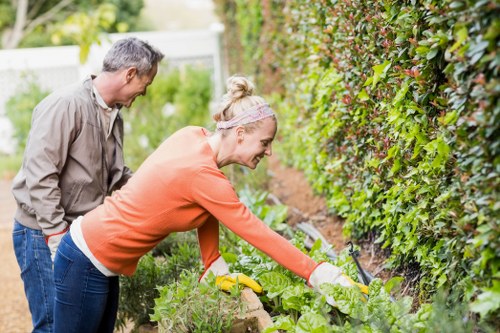 A practical sustainability strategy also depends on how our vehicles operate day to day. That is why our service uses low-carbon vans where possible, helping to reduce emissions associated with transport between sites, transfer stations, and collection points. These vans are chosen to support a more efficient workflow, especially for short-distance journeys where modern, cleaner vehicles can make a noticeable difference to the overall carbon footprint of garden maintenance.
Our recycling approach covers a broad range of activity relevant to gardens and outdoor spaces in Barnes Cray. Organic cuttings, hedge trimmings, grass clippings, and leaf litter are directed toward composting or green-waste recovery routes when appropriate. Timber offcuts may be separated for recycling, while metal fixings, old edging, and other recoverable items are kept apart from biodegradable waste. This method reflects the wider borough emphasis on separating waste at source, which is key to improving the quality of recycled material.
Gardeners Barnes Cray also recognises the importance of planning collections to avoid overfilling loads and unnecessary journeys. Efficient sorting on site means less contamination, fewer rejected loads, and a better chance that materials will be processed into something useful. In environmental terms, this careful handling matters just as much as the recycling target itself, because the best results come from a combination of preparation, transport, and final recovery.
We take a responsible recycling mindset into every part of the service, from removing old planting waste to clearing larger accumulated materials after landscaping work. In many cases, small decisions make a meaningful difference: separating soil from rubble, keeping plastics out of compostable waste, and identifying items that can be reused rather than broken down. These habits help support a more circular way of working that suits both private gardens and local green spaces.
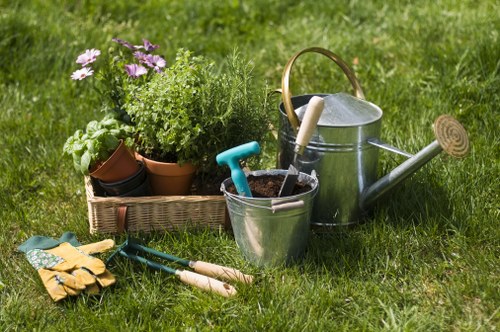 The sustainability aims of Gardeners Barnes Cray are not limited to waste processing alone. They also include a broader focus on resource efficiency, such as limiting single-use packaging, reusing transport containers, and choosing collection methods that reduce unnecessary handling. Where possible, we match the scale of the van and the collection plan to the project size, so a smaller job does not require a larger vehicle than needed. This simple step can make operations noticeably cleaner and more efficient.
We also support recycling culture by acknowledging the particular waste patterns seen across borough-managed services. Many areas now rely on distinct streams for garden waste, paper, plastics, glass, and residual rubbish, and that principle translates well to outdoor services. By keeping green waste separate from general waste, Gardeners in Barnes Cray helps preserve material quality and makes it easier for downstream processors to recover usable outputs. The same applies to metals, wood, and eligible hard plastics that can be redirected into recycling routes.
 At the heart of our work is a commitment to practical sustainability that customers can rely on. Whether we are clearing a plot, maintaining hedges, or dealing with post-project surplus, our focus remains on reducing waste and promoting recovery wherever possible. For Gardeners Barnes Cray, recycling is not an afterthought; it is an essential part of delivering thoughtful garden services that respect the local environment, support community reuse, and contribute to a lower-carbon future.