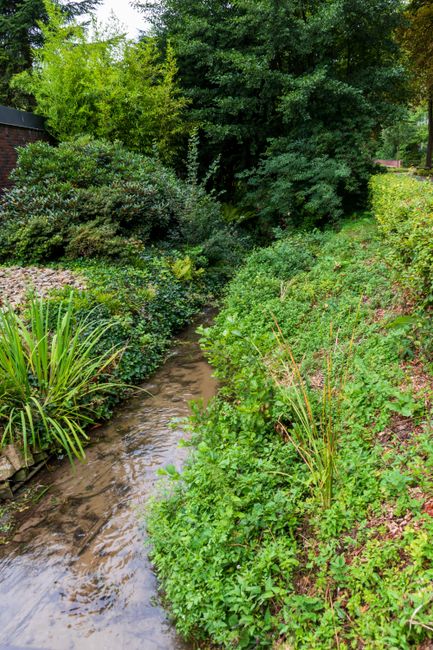
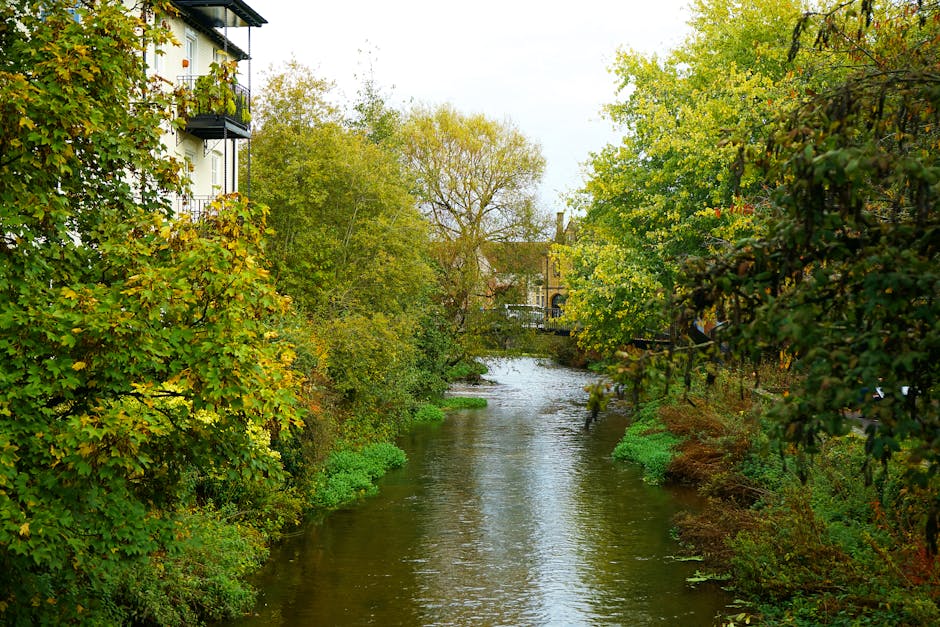
River Cray Waterfront Garden Makeover: Barnes Cray Local Gardeners for a Smarter, Greener Riverside Space
If you live near the River Cray, you already know the garden has its own personality. It can feel softer, cooler, breezier, and a bit more exposed than an inland plot. That is exactly why a River Cray waterfront garden makeover Barnes Cray local gardeners approach works so well: it blends practical drainage, planting that can cope with the conditions, and a layout that feels calm rather than cluttered. Done properly, a riverside garden becomes a place you actually want to sit in, not just mow and move on from.
In Barnes Cray, waterfront gardens often need more than a cosmetic tidy-up. They may need smarter ground cover, better structure, improved access, and planting choices that won't sulk after a wet week or get battered in a wind tunnel. This guide walks through what makes a River Cray garden different, how the makeover process works, what to avoid, and how local gardeners usually turn a tired riverside plot into something beautiful, usable, and far easier to maintain.
Why River Cray waterfront garden makeover Barnes Cray local gardeners Matters
Waterfront gardens are not just "normal gardens with a nicer view". They behave differently. Soil moisture can swing from soggy to surprisingly dry, roots may compete with established trees or boundary growth, and open stretches can catch wind in a way that makes delicate planting look exhausted. That is why a riverside makeover is best handled by people who understand local conditions rather than by a one-size-fits-all formula.
For Barnes Cray homeowners, this matters for a few very real reasons. First, a poorly planned layout can make maintenance harder than it needs to be. Second, riverside planting can either support biodiversity or become a frustrating cycle of replacement and replanting. And third, the best waterfront gardens usually do two things at once: they look good from the house and they function sensibly in wet, exposed, or shaded pockets. Truth be told, that second part is where many quick fixes fall apart.
If you want a healthier long-term result, local experience helps. A gardener who knows how to work with the rhythms of the area will usually think about drainage, access, seasonal wind, soil structure, and how to create layers of planting that hold their own. If you are also dealing with a neglected patch, it can help to read how to revitalise a neglected garden and combine that thinking with a riverside-specific plan.
How River Cray waterfront garden makeover Barnes Cray local gardeners Works
A good waterfront makeover starts with observation, not demolition. Local gardeners usually begin by mapping out the plot in practical terms: where water sits after rain, where the sun actually reaches, which corners stay damp, and where people naturally walk. That sounds simple. It is simple, but it makes all the difference.
From there, the work tends to fall into a few overlapping stages. Existing problem growth is cut back, weedy patches are cleared, and boundaries or edging are defined so the garden does not blur into the bank or path. Then the structure is improved. That could mean new beds, gravel paths, seating areas, raised planters, or a more resilient lawn strategy. If the garden needs more formality, a local team may add hedge shaping or screening. If it needs more softness, they may favour layers of grasses, low shrubs, and spreading ground cover.
The smartest makeovers often use a "support the site" mindset. That means choosing plants and materials that make life easier in a riverside environment rather than fighting it. For example, if shade is part of the problem, evergreen climbers can be a clever answer; if a border keeps washing out, robust ground cover may be far more useful than a thirsty flower bed. The article on ground cover plants for UK gardens is a useful companion read if you are exploring that route.
A well-run project also considers the ongoing finish. Waterfront gardens need follow-up maintenance more than people sometimes expect. Small jobs like weeding, edging, pruning, and checking drainage are what keep the makeover looking finished six months later rather than just good on the day the photographs were taken. Let's face it, that is the real test.
Key Benefits and Practical Advantages
The best garden makeovers do more than improve appearance. They solve everyday annoyances and make the space easier to enjoy. For a River Cray riverside garden, the main benefits usually include:
- Better use of awkward space - narrow runs, sloping edges, shaded areas, or damp corners can be turned into useful features.
- Lower maintenance pressure - once planting and layout are chosen properly, you spend less time chasing problems.
- Improved resilience - the garden is less likely to suffer after heavy rain, strong wind, or a cold snap.
- Stronger kerb appeal - a neat riverside boundary and well-finished planting can lift the whole property.
- Better biodiversity - the right plants can support pollinators and soften hard edges naturally.
- More usable outdoor living space - seating, paths, and screening make the garden feel like part of the home.
There is also a subtler benefit that clients often mention after the work is done: the space feels calmer. Not perfect, just calmer. A garden that moves better underfoot, smells fresher after rain, and has a clear structure feels easier to live with. That matters more than people think.
If you want to lean toward low-effort long-term care, a practical read is creative ideas for a low-maintenance garden. It pairs well with riverside planning, especially if you do not want the project to become a weekend full-time job.
Who This Is For and When It Makes Sense
Not every garden needs a full redesign. Sometimes a tidy, pruning, and replant is enough. But a waterfront makeover starts to make sense when the garden has any of the following issues:
- Constantly wet or patchy soil
- Overgrown borders or ivy taking hold
- Poor access to the river-facing side of the garden
- Little privacy from neighbours or passers-by
- Wind exposure that keeps flattening plants
- Old paving, tired decking, or awkward stepping stones
- A lawn that never seems to settle or stay even
It is also a strong option if you are preparing a property for sale, planning to stay long-term and want better liveability, or simply know your garden has potential but no clear shape. Waterfront gardens can be especially rewarding for families, keen plant lovers, and anyone who enjoys outdoor sitting space with a calmer feel.
If the garden is heavily tired, a broader refresh may be the best start. A useful related read is revitalising a neglected garden, because some riverside plots need recovery work before design work really begins. That is not a bad thing. It just means you need a sensible sequence.
Step-by-Step Guidance
Here is the practical route local gardeners often follow on a waterfront project. Not every garden needs every step, but the structure is sound.
- Site assessment
Walk the space in dry weather and after rain if possible. Note drainage, shade, wind, and where foot traffic naturally happens. This stops you making "pretty but pointless" decisions. - Clear the problem areas
Remove weeds, cut back invasive growth, lift out dead plants, and open up access. If ivy is taking over, it is better to deal with it properly rather than nibbling at it for months. The guide on winning the battle against ivy growth is a good reference point. - Define the layout
Set the boundaries of beds, paths, seating, and any screening. Waterfront gardens benefit from shape. Without it, everything starts to look a bit vague. - Improve the soil or surface
Depending on the site, this may involve compost, mulch, drainage improvement, topdressing, or refreshing compacted areas. - Choose the right planting style
Select plants that suit the microclimate, not just the colour palette. For damp edges, use resilient species. For dry or exposed corners, choose tougher structural planting. - Install features that earn their keep
Raised beds, timber or composite edging, simple screening, compact seating, and easy-clean surfaces can transform how the space works. - Finish with maintenance planning
A makeover only stays a makeover if there is a follow-up plan for mowing, trimming, weeding, and seasonal checks.
One small but important point: if you are adding seating or a decked area, think about where people will naturally pause. It sounds obvious, but a lovely bench in the wrong spot becomes decorative clutter. Been there, seen it.
Expert Tips for Better Results
Local gardeners working near rivers and streams tend to rely on a few repeatable habits that make the result feel more mature and less "freshly installed". These are the ones worth remembering.
- Use layered planting - combine taller structure, middle-height planting, and low spill-over or ground cover. Flat borders rarely hold interest for long.
- Respect the wind - if the site is exposed, use staking, shelter planting, or denser structure to protect fragile specimens.
- Choose materials that age well - garden finishes near water often need to cope with damp conditions and constant wear.
- Keep maintenance realistic - if you do not want to spend hours each week on upkeep, say so at the start. Good design should fit your life.
- Use evergreen structure sparingly but strategically - it helps the garden keep shape in winter, which waterfront gardens really benefit from.
A handy supporting article on winter readiness is top winter plant protection methods. Riverside gardens can lose a lot of visual quality over winter if they are not built with that season in mind.
If you want a compact, no-fuss approach, think of the design as three jobs: hold the soil, soften the edge, and make the space usable. Do those three well and the rest gets easier. Not always simple, but easier.
Common Mistakes to Avoid
Most garden disappointments are avoidable. The mistake is usually not bad taste; it is poor planning. Here are the ones local gardeners see most often:
- Choosing plants for looks only - a plant may be pretty in the nursery and miserable beside the River Cray.
- Ignoring drainage - if water sits for long periods, planting success will always be patchy.
- Overfilling the space - too many features make small waterfront gardens feel cramped and fussy.
- Using high-maintenance materials - some surfaces look sharp on day one but are a headache by month six.
- Forgetting privacy - if the garden is exposed, you may never fully relax in it.
- Letting invasive growth stay unchecked - river-side plots can become a sprint for weeds and self-seeding growth if neglected.
One common one, and it is a sneaky little problem, is underestimating shade. The house, fencing, nearby trees, and even riverside boundary structures can reduce light more than you expect. If that sounds familiar, the guide to shady spaces with evergreen climbers may give you a few workable ideas.
The broad lesson? Do not design around your ideal version of the garden. Design around the one you actually have.
Tools, Resources and Recommendations
Good results come from good tools, but not necessarily a van full of expensive kit. For a waterfront makeover, local gardeners usually rely on a sensible mix of hand tools, cutting tools, and layout materials.
- Hand tools for digging, edging, planting, and soil preparation
- Cutting tools for shaping shrubs, trimming back growth, and removing awkward roots or stems
- Wheelbarrows and waste bags for clearing heavy debris efficiently
- Level and measuring tools to keep paths, beds, and features properly aligned
- Mulch, compost, and topsoil for improving planting conditions
- Gravel, edging, or sleepers for structure and clean finish
If you are building out the project in stages, a few website resources are worth a look. For a better understanding of long-term care, see garden maintenance support and the company's general gardening services overview. If the makeover includes lawns, the pages on lawn care and lawn mowing may also be useful.
For practical reading, the article on the must-have toolkit for a beautiful garden gives a good sense of what really earns its keep. And if your plot needs a portable or temporary touch, container gardening can be a smart add-on for patios or narrow spaces.
Law, Compliance, Standards, or Best Practice
For most domestic garden makeovers in Barnes Cray, the main concern is not heavy regulation, but sensible best practice. Still, there are a few standards worth keeping in mind.
If the work affects trees, root zones, boundary structures, or drainage, a careful assessment matters before anyone starts digging. If there are mature trees on or near the site, a competent gardener or landscaper should avoid careless root damage and should work conservatively around trunks and major roots. That is not just good manners to the garden; it is good practice.
If the property has fences, retaining edges, decking, or changes in level, safety becomes important too. Surfaces should be stable, paths should be practical, and any work area should be managed to avoid trip hazards. The site's own policies on health and safety, insurance and safety, and payment and security help set expectations before work begins.
It is also sensible to use clear written terms, especially for staged projects or seasonal maintenance. If anything is unclear, ask. That is not being awkward; that is being organised. Reputable local gardeners should be comfortable explaining scope, timings, access arrangements, and what happens if the weather interrupts the schedule. In the UK, that kind of clarity saves headaches later.
Options, Methods, or Comparison Table
There is more than one way to approach a waterfront garden makeover. The right method depends on budget, time, and how much change you want.
| Method | Best For | Advantages | Trade-Offs |
|---|---|---|---|
| Refresh and tidy | Gardens that are structurally fine but messy or overgrown | Fast, cost-conscious, minimal disruption | Does not solve deeper layout or drainage issues |
| Replant and reshape | Gardens with weak planting, awkward beds, or poor flow | Big visual improvement, better seasonal resilience | Needs a clear plan and some patience while plants establish |
| Full redesign | Waterfront plots with major access, privacy, or usability problems | Most transformative, best long-term function | Higher cost, more planning, more moving parts |
| Phased makeover | Owners who want to spread work across seasons | Flexible, manageable, easier to budget | Takes longer to reach the finished look |
For many Barnes Cray homeowners, the phased approach is the sweet spot. You can sort access, planting, and structure over time without rushing the whole project. And yes, that often means fewer regrets.
Case Study or Real-World Example
Here is a realistic example based on the kind of project local gardeners often handle.
A riverside terrace-style garden in Barnes Cray had three recurring issues: a damp lower border, a narrow run that was difficult to mow, and a seating area that felt exposed to the wind. The owners did not want a total strip-out. They wanted something calmer, neater, and easier to live with.
The makeover began with clearing ivy and weed growth along the fence line, followed by re-edging the bed so the garden had a clearer shape. The damp corner was planted with tougher ground cover and structural shrubs rather than delicate bedding plants. A simple seating area was repositioned slightly more sheltered, and a few vertical elements were added to reduce the feeling of openness. A compact maintenance plan was also agreed so the garden would not slide back into chaos after the first busy month.
The result was not dramatic in a flashy sense. It was better than that. The garden felt more grounded, more private, and easier to keep tidy. That is usually what people really want, even if they do not always say it out loud. If the space also needs a seasonal-style approach, garden seating ideas that blend style and function are worth exploring.
Practical Checklist
Use this before you brief a gardener or start the project yourself.
- Identify the wettest, driest, shadiest, and windiest spots
- Decide whether the goal is tidy-up, redesign, or phased transformation
- Remove invasive growth and dead material first
- Check whether drainage or soil structure needs improvement
- Choose plants that suit riverside conditions, not just the colour scheme
- Plan for privacy, seating, and movement through the space
- Keep maintenance realistic for the time you actually have
- Confirm access, waste removal, and any safety considerations
- Ask for a maintenance schedule after the makeover
- Review the finish after rain if possible, not just on a sunny day
If you are not sure where to begin, start with the hardest problem first. Usually that is weeds, drainage, or layout confusion. Once that is under control, the rest comes together faster than people expect.
Get a free quote today and see how much you can save.
Conclusion
A River Cray waterfront garden makeover in Barnes Cray is really about working with the site rather than fighting it. When local gardeners understand the ground conditions, wind exposure, seasonal moisture, and the way people actually use the space, the result is usually calmer, sturdier, and far more enjoyable.
The best makeovers are not the loudest ones. They are the ones that keep looking good after a rainy week, a busy month, and the odd patch of weather that does what London weather does best-change its mind. If your garden feels tired or awkward, that does not mean it is beyond help. It probably just means it needs a better plan.
And once it has one, you will notice the difference every time you step outside. That is the real reward.
Frequently Asked Questions
What makes a River Cray waterfront garden different from a standard garden?
Waterfront gardens often deal with more moisture, more exposure to wind, and more varied light conditions. That means plant choice, layout, and drainage matter more than they do in a typical inland garden.
Do I need a full redesign, or will a tidy-up be enough?
It depends on the garden's main problem. If the structure is sound, a tidy-up and replant may be enough. If the layout feels awkward, drainage is poor, or privacy is lacking, a fuller makeover usually makes more sense.
Which plants usually work well near damp or riverside areas?
Plants that tolerate moisture, wind, and variable conditions tend to perform better. Local gardeners usually look for resilient shrubs, ground cover, and layered planting rather than delicate seasonal displays that need constant replacement.
How long does a waterfront garden makeover usually take?
That varies with size and complexity. A light refresh may take a short visit or two, while a phased redesign can unfold over several stages. Weather, access, and waste removal all affect timing as well.
Can a small Barnes Cray garden still benefit from this kind of makeover?
Absolutely. Small waterfront gardens often benefit the most because every square metre has to work harder. A clear layout, proper edging, and the right planting can make even a modest space feel much more usable.
Is river-facing privacy hard to improve without making the garden feel boxed in?
Not necessarily. Screen planting, careful fence treatment, vertical structure, and selective placement of shrubs can add privacy without closing the space in. It is a balance, but a workable one.
What is the biggest mistake people make with riverside planting?
Choosing plants for appearance alone. A plant that looks perfect in a sheltered showroom can struggle badly in a windy, damp, or shaded riverside setting. Site fit matters more than style.
How do I keep maintenance low after the makeover?
Keep the design simple, choose resilient plants, use effective edging, and set up a basic routine for weeding, cutting back, and checking the beds seasonally. If the maintenance plan is realistic, the garden is far more likely to stay tidy.
Should I worry about health and safety during garden work near the water?
Yes, in a practical sense. Slippery surfaces, awkward access, and hidden trip points are common in waterfront spaces. A professional approach should include safe working methods, sensible access planning, and proper waste handling.
Can a makeover be done in stages if I am on a budget?
Yes, and for many homeowners that is the best route. You can start with clearing and structure, then move into planting, then finish with seating or decorative details later. It spreads the cost and keeps the project manageable.
Do local gardeners also help with lawn care and ongoing maintenance?
They often do. A waterfront makeover is much easier to protect when there is a follow-up plan that includes mowing, feeding, edging, pruning, and seasonal maintenance. The garden stays coherent instead of sliding back into patchy, half-finished territory.
How do I choose the right gardening team in Barnes Cray?
Look for clear communication, relevant local experience, a sensible plan, and transparent terms. It helps if they can explain why they are suggesting certain plants or materials rather than just listing products. Good gardeners should be able to make the reasoning feel plain and practical.