Real cost breakdown for gardeners in Barnes Cray
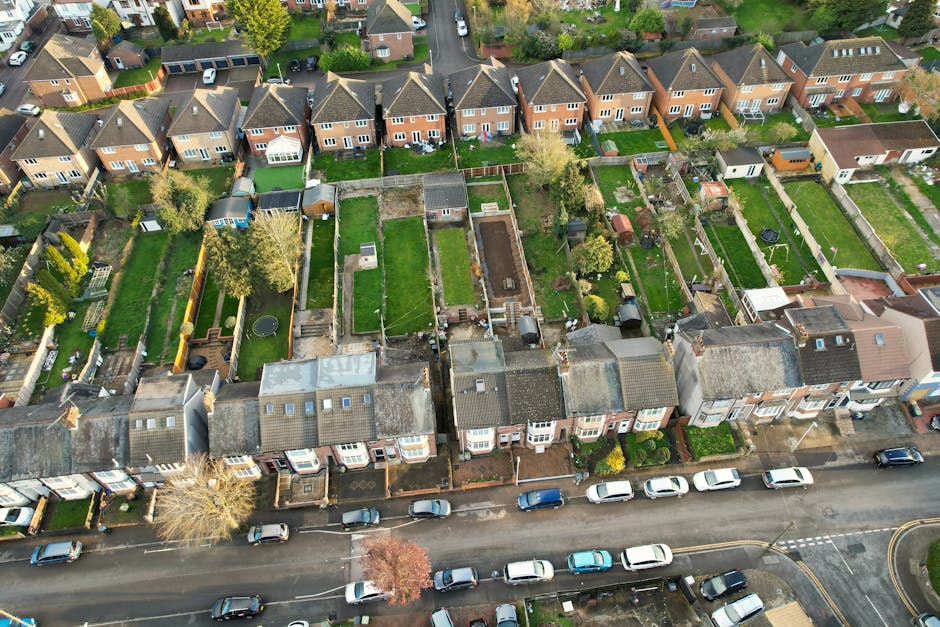
If you are trying to budget for garden work and you want a real cost breakdown for gardeners in Barnes Cray, you are probably past the stage of vague estimates and brochure talk. Fair enough. Most people just want to know what they might actually pay, what changes the price, and where the hidden extras tend to sneak in. This guide takes a practical look at the numbers, the service types, and the decisions that shape the final bill. No fluff, no mystery. Just a clear, local, human explanation of what usually drives gardening costs in Barnes Cray.
It also helps you judge whether a quote is sensible for the job in front of you. A small lawn tidy-up is one thing; a full seasonal reset, hedge work, and waste removal is another entirely. By the end, you will know how to compare quotes properly, avoid awkward surprises, and choose the right level of service for your garden and budget.
Why real garden pricing matters
Garden work often looks simple from the outside. A lawn needs cutting, a hedge needs trimming, a border needs clearing. Then the quote arrives and you realise there is more going on under the surface. That is why understanding the real cost breakdown for gardeners in Barnes Cray matters so much. It helps you separate genuine value from a low headline price that grows arms and legs once waste, access, labour time, or specialist tools are added.
In a local area like Barnes Cray, where properties can vary from compact front gardens to larger rear spaces with awkward access, the price is rarely one-size-fits-all. A side gate too narrow for a barrow, a heap of wet cuttings after a damp week, or a patch of brambles that has been left for months can all change the time needed. The same job on paper can be very different on site. Truth be told, that is where many budgeting mistakes start.
Price clarity matters for another reason too: it helps you compare like with like. A quote that includes green waste removal, labour, and disposal is not directly comparable with one that only covers cutting and sweeping. Once you understand the structure, you can ask better questions and avoid paying twice for the same thing.
If you are comparing broader service options, it can also help to look at the scope behind gardening services and the routine tasks covered under garden maintenance. Those pages are useful companions when you are deciding whether you need one-off work, regular visits, or a more tailored mix.
How real garden pricing is worked out
Most gardening quotes are built from a handful of practical elements. You may not see them broken out line by line unless you ask, but they are usually there in the background. The basic formula is simple enough: labour time + materials or specialist equipment + waste handling + any unusual risk or access issue. The cleaner the job, the easier it is to price.
Here is the part people often miss. Two jobs with the same surface area may cost very differently depending on how much preparation is needed. For example, a neat lawn cut is quick. A lawn that has grown long, become patchy, and collected hidden branches may need several passes, edging, and more tidy-up. The same applies to hedge work, tree-related jobs, and clearance work after a long period of neglect.
In practice, many gardeners will assess the site and then decide whether the job is best priced as an hourly visit, a fixed fee, or a scheduled maintenance plan. Hourly pricing suits uncertain or mixed jobs. Fixed pricing works well when the scope is clear. Regular visits are often the best value for properties that need ongoing care, because the work stays manageable rather than becoming a bigger project every season.
That is why a proper quote is not just about the number at the bottom. It should reflect what actually has to be done, how long it will take, and what is likely to come out of the garden at the end. Leaves, soil, hedge trimmings, turf offcuts, bulky branches... it all adds up.
Key benefits and practical advantages
Knowing the cost breakdown gives you more than a sense of control. It gives you better decisions. And frankly, better decisions usually save money later, even if the first quote is slightly higher.
- Clear budgeting: you can plan for seasonal work instead of reacting to an overgrown mess.
- More accurate comparisons: you can see whether a quote includes waste removal, labour, and materials.
- Fewer surprises: you are less likely to get caught out by extra charges for access, disposal, or specialist work.
- Better timing: you can decide whether to book a smaller job now or bundle tasks together for better value.
- Improved garden health: regular, well-planned maintenance often costs less than major recovery work later on.
There is also a quieter benefit: peace of mind. When someone has explained the price properly, you tend to trust the process more. That matters. You should never feel you have to decode a quote like it is a secret message from another planet.
Expert summary: the cheapest gardening quote is not always the best value. A fair quote that includes labour, waste handling, and the right amount of time usually ends up being better for both your garden and your wallet.
If you want to understand how pricing is presented more formally, it can help to review the site's pricing and quotes information alongside the operational side of gardening services. That gives you a more rounded picture of what a professional quote should actually cover.
Who this is for and when it makes sense
This kind of cost breakdown is useful for homeowners, landlords, letting agents, and anyone who wants their outside space to look presentable without overspending. It is especially helpful if you have a garden that has got away from you a bit. Happens to everyone. One wet spring, a busy summer, and suddenly the borders are doing their own thing.
It also makes sense if you are planning a one-off seasonal reset, preparing for a property sale, or arranging ongoing support because you simply do not have the time or tools to stay on top of the work. If your garden includes heavy hedging, mature trees, paving that needs cleaning, or a neglected corner that could qualify as wildlife habitat and mini jungle at the same time, then the cost structure becomes even more important.
Some readers are not looking for full-service landscaping at all. They just want a straightforward mow, hedge tidy, or waste clearance after a long gap between visits. Others need something broader, perhaps a refresh of a tired outdoor layout, so pages like landscaping and landscape gardening may be more relevant.
There is no shame in starting small. In fact, that is usually the smart move. Break the work into manageable pieces and the costs become much easier to control.
Step-by-step guidance
Here is a practical way to think through the price of garden work before you book anything.
- List the exact tasks. Be specific. "Garden tidy" is too broad. Try lawn cut, hedge trim, border weed, leaf clearance, or patio sweep.
- Judge the condition honestly. Has the garden been kept up, or are you asking someone to rescue it? That one detail can change the time dramatically.
- Check access. Can tools, bags, and waste move easily in and out? Narrow side access or long carry distances usually affect price.
- Ask what is included. Labour only? Waste removal? Green disposal? Materials? Don't assume; ask.
- Decide whether the job is one-off or ongoing. Regular maintenance may work out better than repeated emergency clear-ups.
- Compare quotes on the same basis. Make sure each quote covers the same scope, or the comparison is basically apples and oranges.
- Confirm timing and finish expectations. A quick cut is different from a full tidy with edges, sweeping, and removal of arisings.
A small real-world example: imagine a back garden in Barnes Cray with a lawn, a hedge, and a few overgrown beds. If you ask for "a tidy-up," one gardener may allow for an hour and another may allow for three because the beds are full of roots and the hedge needs shaping, not just clipping. The quote gap can look dramatic, but it may actually be perfectly reasonable.
That is why it helps to be clear before the work starts. A conversation at the beginning can save an awkward one at the end. Nobody enjoys that moment when a quote and the final invoice are not quite living on the same planet.
Expert tips for better results
If you want the best value, the trick is not always to negotiate the lowest price. It is to reduce uncertainty. The less guesswork in the job, the more accurate the quote.
- Photograph the garden before requesting a quote. Clear images help show the scale of the work and the likely access issues.
- Group tasks together where sensible. If a gardener is already on site, combining mowing, hedge work, and light clearance can be more efficient than splitting them across separate visits.
- Schedule seasonal work early. Spring and early summer can get busy, and booking in advance often gives you better choice and less stress.
- Keep on top of light maintenance. A little regular care is usually cheaper than rescuing a garden once it has become dense and unruly.
- Ask about disposal before the job starts. Waste removal is one of the most common reasons for extra cost, so make it part of the conversation.
To be fair, some jobs genuinely need specialist input. Tree work, large stump issues, or heavy overgrowth are not just bigger versions of a normal tidy-up. If trees are involved, the separate pages for tree surgery and tree lopping and removal are the more appropriate route.
One more thing: keep the garden in a state where a pro can do the useful work, not spend half the visit moving old pots, toys, or forgotten bits of timber. It sounds obvious. Yet it happens all the time.
Common mistakes to avoid
The biggest mistake is assuming all gardening quotes mean the same thing. They do not. Not even close. Another classic is forgetting that waste has to go somewhere. If someone cuts, clears, bags, and disposes of the material properly, that has a cost attached.
- Comparing quotes without checking scope. A cheaper quote may exclude removal or only cover light work.
- Describing the job too vaguely. "General garden work" does not tell the gardener enough to price properly.
- Ignoring access problems. Steep steps, locked gates, long carry distances, and narrow paths all affect labour time.
- Leaving work until it becomes urgent. Emergency recovery is usually more expensive than planned upkeep.
- Forgetting to ask about insurance and safety. Professional gardeners should be able to explain how they manage risk on site.
There is also a subtle one: expecting a quote given from a short description to stay valid if the reality is very different. If the site changes or the task turns out to be bigger than described, the cost may need revisiting. That is normal. The key is honesty on both sides.
If you are asking for more than routine tidying, it is sensible to look at the provider's support pages too, including insurance and safety and the broader health and safety policy. That gives you a better sense of the standards behind the service.
Tools, resources and recommendations
You do not need a giant toolkit to get a useful quote, but a few simple things make the process smoother. A phone camera, a rough list of tasks, and a bit of honesty about the condition of the garden will get you a long way.
From a gardener's perspective, the most useful "resource" is often the customer's clarity. If you say exactly what needs doing, when you need it, and whether waste should be taken away, the quote is likely to be much more reliable. That is especially true for mixed jobs that include mowing, hedge work, clearance, and light cleanup.
For readers thinking about a bigger refresh, the following service pages are often the most relevant starting points:
- lawn mowing for straightforward grass cutting and edging
- lawn care for ongoing turf health and upkeep
- hedge trimming for shaping, reduction, and regular control
- garden clearance for overgrown or neglected spaces
- patio cleaning when hard surfaces need a proper tidy as well
- fencing and decking services if the garden project extends beyond planting and maintenance
And if the job is more than a one-off, it is worth exploring garden maintenance as a recurring arrangement rather than treating every visit as a separate scramble. That tends to be calmer, cleaner, and often better value.
Law, compliance and best practice
For most domestic garden jobs, the legal side is not complicated, but it should still be taken seriously. Any gardener working professionally should understand basic site safety, handle tools properly, and manage waste responsibly. If the work involves climbing, cutting height, heavy lifting, machinery, or potentially hazardous conditions, good practice becomes even more important.
In the UK, customers commonly expect a few straightforward standards: clear pricing, sensible risk management, and proper handling of waste. If a contractor is using sharp tools, working near boundaries, or dealing with large branches and unstable growth, they should be following appropriate safety procedures. That is not overkill. It is just sensible.
For the homeowner, the best practice is equally simple:
- share accurate information about access and site conditions;
- point out hazards such as broken paving, loose steps, or hidden debris;
- check what the quote includes before confirming;
- make sure the provider is transparent about insurance and safety;
- keep written notes of what was agreed, especially for larger jobs.
If sustainability matters to you, it is also worth asking how waste is handled and whether green material is recycled where possible. The site's recycling and sustainability information is a helpful place to understand how environmentally conscious handling fits into the service.
And on the admin side, it never hurts to know where to find the practical policies, including terms and conditions and payment and security. Boring? Maybe. Useful? Absolutely.
Options, methods and comparison table
Different pricing methods suit different kinds of garden work. The right one depends on how clearly defined the task is and how predictable the time will be.
| Pricing method | Best for | Advantages | Things to watch |
|---|---|---|---|
| Hourly rate | Mixed or uncertain jobs | Flexible, fair when the scope may change | Final cost depends on how long the job really takes |
| Fixed quote | Clearly defined tasks | Easier to budget, easier to compare | Make sure the scope is written clearly |
| Regular maintenance plan | Ongoing garden care | Better control of growth, often smoother and more cost-efficient | Needs a realistic visit schedule |
| Project-based pricing | Larger changes or redesign work | Good for broader improvements and multi-step jobs | Can involve more variables, so details matter |
In day-to-day terms, the choice is usually simple. If you only need the lawn cut and the edges neatened, a fixed or maintenance-style price may work well. If the garden is overgrown and no one knows what is under the ivy yet, hourly or inspection-based pricing may be more realistic. Sometimes the most sensible answer is not the cheapest one, by the way.
Case study or real-world example
Let's take a realistic, non-dramatic example. A homeowner in Barnes Cray has a medium-sized back garden that has been looked after intermittently. The lawn is long, the hedge has lost its shape, and the borders have weeds and fallen leaves tucked into the corners. There is no major construction, but the job has definitely moved beyond a quick tidy.
What would affect the cost?
- The lawn needs more than a simple mow because it is long and may need careful cutting.
- The hedge needs shaping rather than a light trim.
- The borders require hand clearance, which is slower than running a machine through open grass.
- Waste needs to be bagged and removed.
In a case like that, the final price is driven less by the garden's size and more by the time needed to restore it to a neat state. If the same garden is then maintained every few weeks, the cost usually becomes easier to predict and easier to live with. That is the big shift. A bit of steady care can save a lot of money later.
Another very common scenario is the pre-viewing tidy before a house sale. People often want the garden to look clean, open, and well cared for without doing a full redesign. In that setting, work often focuses on mowing, edging, hedge control, and clearing clutter. A provider who understands the difference between presentation work and renovation work will quote more accurately.
Practical checklist
Use this checklist before you request or accept a quote. It saves time, and it keeps the conversation grounded.
- List the exact jobs you want done.
- Take a few clear photos in daylight.
- Note access issues, gates, steps, or long carry distances.
- Say whether you want waste removed.
- Separate routine maintenance from larger one-off work.
- Ask if the quote is fixed or hourly.
- Check whether the provider has appropriate insurance and safety processes.
- Confirm timing, expected finish, and any follow-up visits.
- Keep the quote or written agreement in a safe place.
If you tick those boxes, you are already ahead of most people. Honestly, a bit of preparation goes a long way here.
Get a free quote today and see how much you can save.
Conclusion
The real cost breakdown for gardeners in Barnes Cray is not just about pounds and pence. It is about understanding what makes a garden job simple, what makes it time-consuming, and what turns a neat quote into a fair one. Once you know how labour, access, waste, and scope affect pricing, the whole process becomes much easier to manage.
The main thing is this: be clear, be realistic, and compare like with like. If you do that, you will usually get better value, fewer surprises, and a garden that feels looked after rather than constantly catching up. And that, in the end, is what most people really want. A tidy space, a sensible bill, and a bit more breathing room on a Saturday morning.
Small steps help. A proper quote, a clear plan, and a good conversation can make the whole job feel lighter.
Frequently Asked Questions
How much do gardeners in Barnes Cray usually charge?
There is no single price that fits every job, because the final cost depends on the size of the garden, the condition of the space, access, and whether waste removal is included. A simple mow will cost less than a full clear-up with hedge work and disposal.
What affects the cost of garden maintenance the most?
Labour time is usually the biggest factor, followed by how much cutting, clearing, or waste handling is needed. Access issues and specialist tasks, such as hedge reductions or tree-related work, can also change the cost quite a bit.
Is it cheaper to book regular garden maintenance?
Often, yes. Regular maintenance can prevent the garden from becoming overgrown, which means each visit is easier and usually less expensive than occasional recovery work. It also keeps the garden looking better in between visits.
Do quotes usually include waste removal?
Not always. Some quotes include collection and disposal, while others cover labour only. It is one of the first things you should ask about, because it is a common place where the final price can change.
Why do two gardeners quote different prices for the same job?
They may be pricing different scopes, different time estimates, or different levels of service. One quote might include tidying, sweeping, and waste removal, while another may only cover the cutting itself. That is why comparing the details matters.
Should I choose the cheapest quote?
Not automatically. The cheapest quote is not always the best value if it leaves out important parts of the job or leads to extra costs later. A clear, well-explained quote is often the safer option.
Is hedge trimming more expensive than lawn mowing?
Usually it is, because hedges take more shaping, more care, and often more clean-up time than a straightforward mow. The exact cost depends on hedge height, length, and how much reduction is needed.
What should I tell a gardener before they visit?
Give a clear description of the work, the garden's condition, any access issues, and whether you want waste removed. Photos are helpful too. The more accurate the brief, the more reliable the quote.
How can I avoid surprise charges?
Ask what is included before booking, confirm whether the price is fixed or hourly, and make sure any extra work will be agreed before it starts. Simple, but it works.
Do I need to be home during the work?
Not always, although it can help if there are access issues or if the gardener needs to check something at the start. Many people prefer to be present for the first visit and then leave routine jobs to be handled independently.
Are tree jobs priced differently from general gardening?
Yes. Tree work is typically a separate type of service because it involves different equipment, more risk, and often more technical judgement. If your job includes branches, canopy reduction, or removal, it is better to look at tree-specific services rather than standard garden maintenance.
What is the best way to get an accurate price?
Describe the work clearly, share photos, mention access limitations, and ask exactly what the quote includes. If the job is more complex, a site visit is often the best way to get a fair and accurate figure.